Aging is commonly viewed as a slow decline driven by genetics, lifestyle, and environmental stress. But a growing body of research highlights a rarely discussed accelerant of aging: biofilms, sticky, gelatinous colonies of microbes that attach to tissues, organs, and internal surfaces.
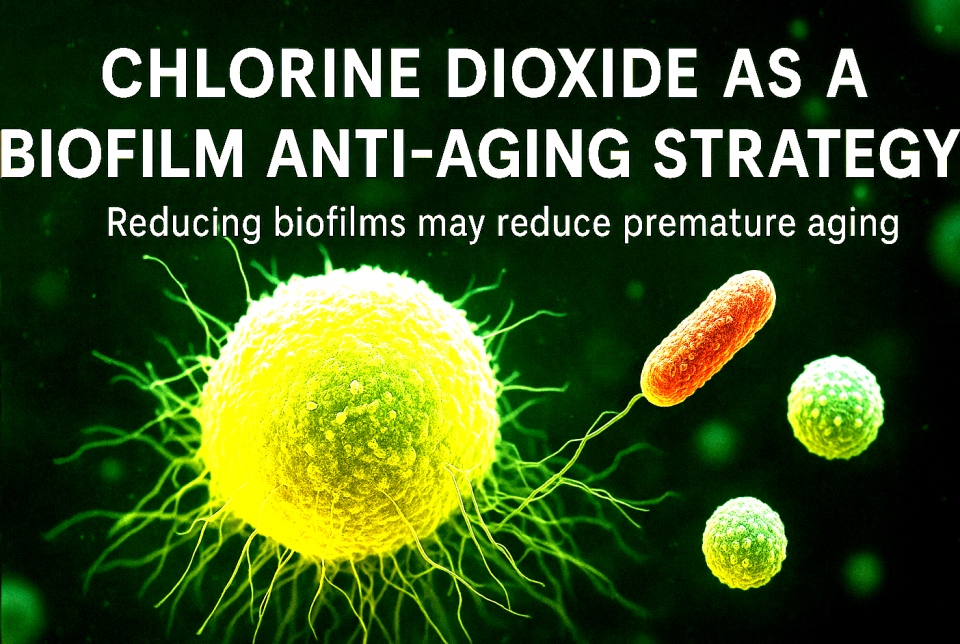
Biofilms are not just a dental or gut issue. They can form deep within:
-
- joints
- arteries
- sinuses
- the gut lining
- lymphatic pockets
- skin layers
- reproductive tissues
- organs recovering from injury
They interfere with cellular oxygenation, inflame tissues, block nutrients, and impair detoxification. Biofilms generate toxins that accelerate tissue breakdown and biological aging. Chlorine dioxide (CD/CDS), known for its unique ability to break down biofilms, is emerging in alternative wellness circles as a potential anti-aging tool, helping the body reduce the microbial and toxic burden that speeds up aging.
What is behind the idea that reducing biofilms also reduces premature aging?
- What Are Biofilms?
Biofilms are protective microbial colonies that form when bacteria, fungi, or parasites embed themselves in a sticky matrix of:
-
- polysaccharides
- proteins
- metals
- lipids
- dead tissue
- toxins
This biological “slime fortress” protects pathogens from:
-
- immune response
- antibiotics
- oxygen
- detox pathways
The biofilm structure enables chronic, low-grade infection, one of the most consistent markers of accelerated aging.
- Why Do Biofilms Accelerate Aging?
Biofilms age the body through eight primary mechanisms:
a. Chronic inflammation
Biofilms release toxins that keep the immune system on high alert.
b. Impaired cellular oxygenation
Their structure blocks oxygen penetration.
c. Supply chain interruption
They steal nutrients and minerals the body needs for repair.
d. Toxin accumulation
They trap metabolic waste, heavy metals, and environmental toxins.
e. Breakdown of mitochondrial function
Persistent biofilm toxins impair ATP production.
f. Collagen degradation
Biofilms secrete enzymes that break down structural proteins.
g. Hormonal interference
They disrupt key endocrine pathways (thyroid, adrenals, reproductive systems).
h. Increased oxidative stress
Their inflammatory byproducts generate free radicals.
Together, these mechanisms produce premature cellular exhaustion and accelerated biological aging.
- Who Benefits From Biofilm Reduction?
People who experience:
-
- chronic fatigue
- recurrent infections
- brain fog
- poor digestion
- inflammatory skin conditions
- joint stiffness
- premature wrinkles
- immune dysregulation
- hormonal imbalances
- slow healing
- sinus congestion
- persistent lymphatic stagnation
Any chronic or recurring symptom tends to hint at biofilm involvement.
- Where Do Biofilms Form in the Body?
Although commonly talked about in dentistry or the gut, biofilms can form in nearly any moist or inflamed part of the body:
-
- Gut lining (the biggest reservoir)
- Sinus cavities (often overlooked)
- Arteries and veins
- Joints and cartilage
- Urogenital system
- Reproductive tissues
- Skin layers
- Lymphatic system
- Deep tissues after injury
- Scar tissue zones
Many of these areas have limited blood flow, making biofilms extremely difficult to reach and a persistent source of aging stress.
- When Does CD Become Relevant in Anti-Aging?
Chlorine dioxide becomes particularly interesting when:
-
- inflammation becomes chronic
- detox slows down
- fatigue becomes long-term
- digestion deteriorates
- sinus issues develop
- skin ages rapidly
- brain fog persists
- old injuries feel congested
- infections recur
- aging appears to “speed up” suddenly
In longevity circles, biofilm reduction is increasingly seen as a core foundation of anti-aging, before supplements, detoxes, or even diet changes.
How Chlorine Dioxide Supports Anti-Aging Through Biofilm Reduction
- CD Oxidizes Biofilm Matrix Materials
Chlorine dioxide targets the extracellular polymeric substance (EPS) that holds biofilms together.
- CD Weakens Protective Layers
When the matrix is dissolved, pathogens inside become vulnerable to immune clearance.
- CD Improves Tissue Oxygenation
Biofilm breakdown allows oxygen to reach deeper layers again.
- CD Helps Normalize Tissue pH
Biofilms create acidic microenvironments; CD reduces this acidity.
- CD Reduces Pathogen Load
A smaller microbial burden reduces inflammation, one of the strongest aging accelerators known.
- CD Removes Metabolic Waste
Biofilms trap toxins and metabolic debris. CD oxidizes these materials into simpler compounds.
- CD May Improve Collagen Retention
By reducing inflammation and microbial enzymes that degrade collagen.
- CD Helps Restore Mitochondrial Performance
Less microbial stress, more energy for healing, repair, and maintenance.
The result is a body that can:
-
- repair more efficiently
- detox more effectively
- oxygenate more thoroughly
- produce energy more consistently
- regulate inflammation more normally
These are all pillars of healthy longevity.
Quick How-To Guide
- Start Low and Slow
People exploring CD for biofilm reduction typically begin with very low dilutions.
- Hydrate More Than Usual
Hydration helps flush biofilm debris as it breaks down.
- Support With Minerals
Magnesium and trace minerals assist in detox and cellular repair.
- Combine With Gentle Movement
Walking, stretching, rebounding, or sauna helps move debris through lymphatic pathways.
- Track Changes Over Weeks
Biofilm reduction is gradual — improvements often appear around:
-
- digestion
- skin tone
- energy
- cognition
- joint mobility
Disclaimer
This article is for informational and research purposes only. It does not diagnose, treat, or prevent disease. Chlorine dioxide is not approved for internal use by regulatory agencies. Always consult qualified professionals before making health decisions.