A healthy immune system is not one that is always “on.” It is one that knows when to activate, when to escalate, and when to stand down. Many modern immune problems are not caused by weakness, but by miscalibration. The immune system remains stuck in a heightened alert state, reactive, exhausted, and inefficient. This pattern contributes to chronic inflammation, auto-immune–like symptoms, allergies, frequent illness, fatigue, and accelerated aging. Chlorine dioxide (CD/CDS) is being explored in alternative health research as a supportive tool for immune recalibration, not by suppressing immune activity, but by reducing the persistent triggers that prevent the immune system from returning to baseline.
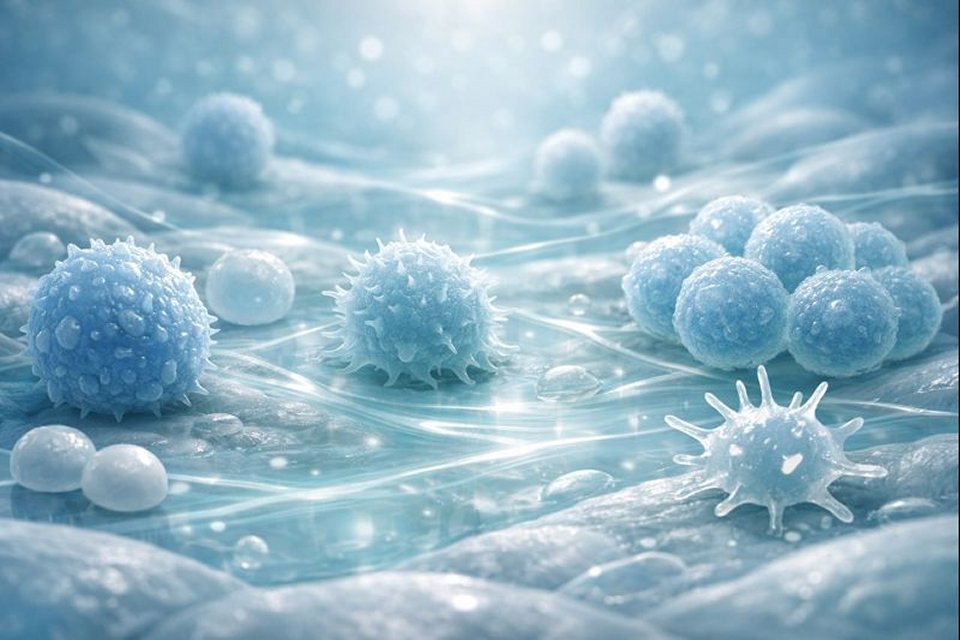
Today, we explore how immune balance may be restored by removing chronic irritants rather than forcing immune modulation.
- What Is Immune Recalibration?
Immune recalibration refers to restoring the immune system’s ability to:
-
- respond appropriately to real threats
- ignore non-threats
- resolve inflammation after activation
- conserve energy when no threat is present
- maintain tolerance to self-tissue and benign stimuli
A recalibrated immune system is calm but capable.
By contrast, a dysregulated immune system may appear as:
-
- chronic inflammation
- frequent infections
- allergies or sensitivities
- autoimmune-like symptoms
- slow recovery
- fatigue after minor stress
- exaggerated responses to food, chemicals, or stress
- Why Does the Immune System Become Dysregulated?
Immune recalibration fails when signals never stop arriving.
Common causes include:
-
- Persistent Microbial Exposure
Low-grade infections continuously provoke immune surveillance.
-
- Biofilms
Biofilms act as chronic antigen reservoirs that never fully clear.
-
- Endotoxins and Metabolic Waste
Toxic debris keeps immune pathways active.
-
- Gut Barrier Dysfunction
Leaky gut exposes immune cells to constant triggers.
-
- Iron and Metal Dysregulation
Misplaced iron fuels oxidative immune activation.
-
- Poor Oxygenation
Low oxygen environments favor inflammatory immune metabolism.
-
- Lymphatic Congestion
Immune waste cannot be cleared efficiently.
In these conditions, the immune system never receives the “all clear” signal.
- Who May Benefit From Immune Recalibration?
Individuals experiencing:
-
- chronic inflammation
- autoimmune-like symptoms
- allergies or chemical sensitivity
- frequent infections
- post-viral syndromes
- fatigue with immune flares
- joint or muscle pain without injury
- brain fog linked to immune stress
- accelerated aging
- poor recovery after illness
Often, these individuals are told their immune system is “overactive” or “weak,” when it is actually overstimulated.
- Where Does Chlorine Dioxide Fit In?
Chlorine dioxide does not suppress immune cells and does not function as an immunosuppressant.
Its proposed role is trigger reduction:
-
- Lowering Pathogen Load
Fewer microbes = fewer immune alarms.
-
- Weakening Biofilms
Removes long-term antigen sources.
-
- Reducing Oxidative Debris
Clears immune-activating waste.
-
- Supporting Oxygen Balance
Improves immune cell efficiency and signaling.
-
- Improving Gut and Barrier Environment
Reduces endotoxin exposure.
-
- Supporting Lymphatic Clearance
Allows immune byproducts to exit tissues.
In essence:
CD helps the immune system finally receive the message that the threat is gone.
- When Does Immune Recalibration Become Possible?
Immune recalibration often occurs:
-
- after chronic infections are reduced
- after biofilm burden declines
- after inflammatory waste is cleared
- after lymphatic flow improves
- after iron and oxidative stress normalize
- after metabolic balance improves
Many people report immune improvement suddenly, once the final trigger is removed.
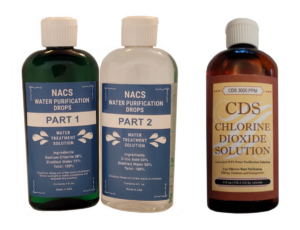
How Chlorine Dioxide Supports Immune Recalibration
- Reducing Constant Immune Provocation
Removing triggers allows immune cells to return to baseline.
- Interrupting Immune Feedback Loops
Chronic activation fuels more activation; breaking the loop restores balance.
- Supporting Mitochondrial Efficiency in Immune Cells
Efficient immune cells require less inflammatory signaling.
- Improving Oxygen Availability
Oxygen supports regulatory immune pathways over inflammatory ones.
- Supporting Tolerance and Resolution Signals
When threats disappear, regulatory immune mechanisms can engage.
- Reducing Immune Exhaustion
Less constant firing preserves immune responsiveness.
- Supporting Long-Term Immune Memory
A calm immune system remembers real threats more effectively.
Immune Strength vs Immune Balance
True immune resilience is not measured by how aggressively the immune system reacts, but by how precisely it responds.
An immune system that is constantly activated:
-
- ages faster
- consumes more energy
- damages tissues
- loses discrimination
- becomes less effective over time
Recalibration allows the immune system to:
-
- respond strongly when needed
- recover quickly afterward
- remain calm the rest of the time

Quick How-To Guide
- Focus on Trigger Removal First
Immune balance cannot occur while irritants remain.
- Support Drainage
Hydration, minerals, and movement help clear immune byproducts.
- Avoid Over-Suppression
Suppressing symptoms without removing causes delays recalibration.
- Support Recovery Cycles
Sleep and stress reduction are critical for immune regulation.
- Observe Immune Shifts
Many report improvements in:
-
- fewer flares
- reduced sensitivities
- improved energy
- calmer mood
- faster recovery
- better sleep
Disclaimer
This article is for informational and research purposes only. It does not diagnose, treat, cure, or prevent disease. Chlorine dioxide is not approved for internal therapeutic use by regulatory agencies. Immune health is complex; consult qualified professionals before making health-related decisions.