If you spend enough time around chlorine dioxide communities, you eventually hear a version of the same story. Someone becomes curious. Maybe they heard a friend talk about it. Maybe they found travelers using water purification drops. Maybe they stumbled into a discussion group full of testimonials. Then they try to learn more. And almost immediately, they feel like they stepped into an alternate universe.
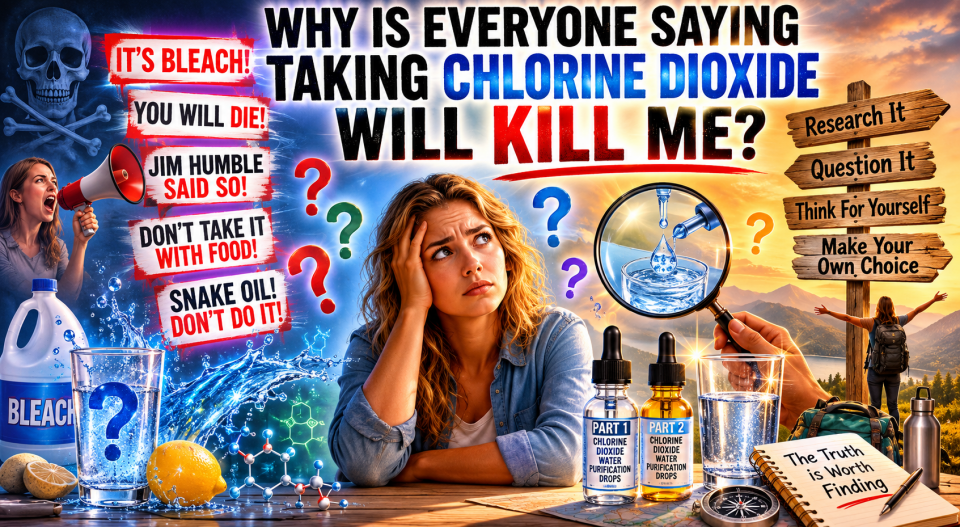
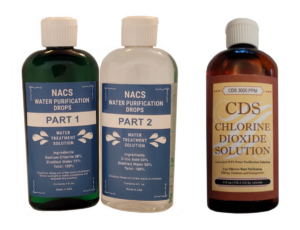
One voice says: “It’s a simple water purifier.”
Another says: “It’s dangerous.”
Someone else says: “People are hiding the truth.”
Then another says: “If you touch this stuff, you’ll regret it.”
And somewhere in the middle sits the confused person asking: “What am I supposed to believe?”
Supporters of chlorine dioxide often say this experience is what first pushed them to question the conversation itself. Not because they already believed. But because the reactions felt bigger than the product.
“I’m Not Looking for Permission”
One of the common themes among supporters is independence. Many say: “Nobody is making me do anything.”
From this perspective, the issue is not whether chlorine dioxide is right or wrong. The issue is whether people should be allowed to research ideas for themselves.
Supporters often describe frustration with what they see as two extremes:
- people who claim chlorine dioxide explains everything
- people who refuse to discuss it at all
Their position is often: “I’m not asking for approval. I’m trying to understand.”
The Bleach Comparison
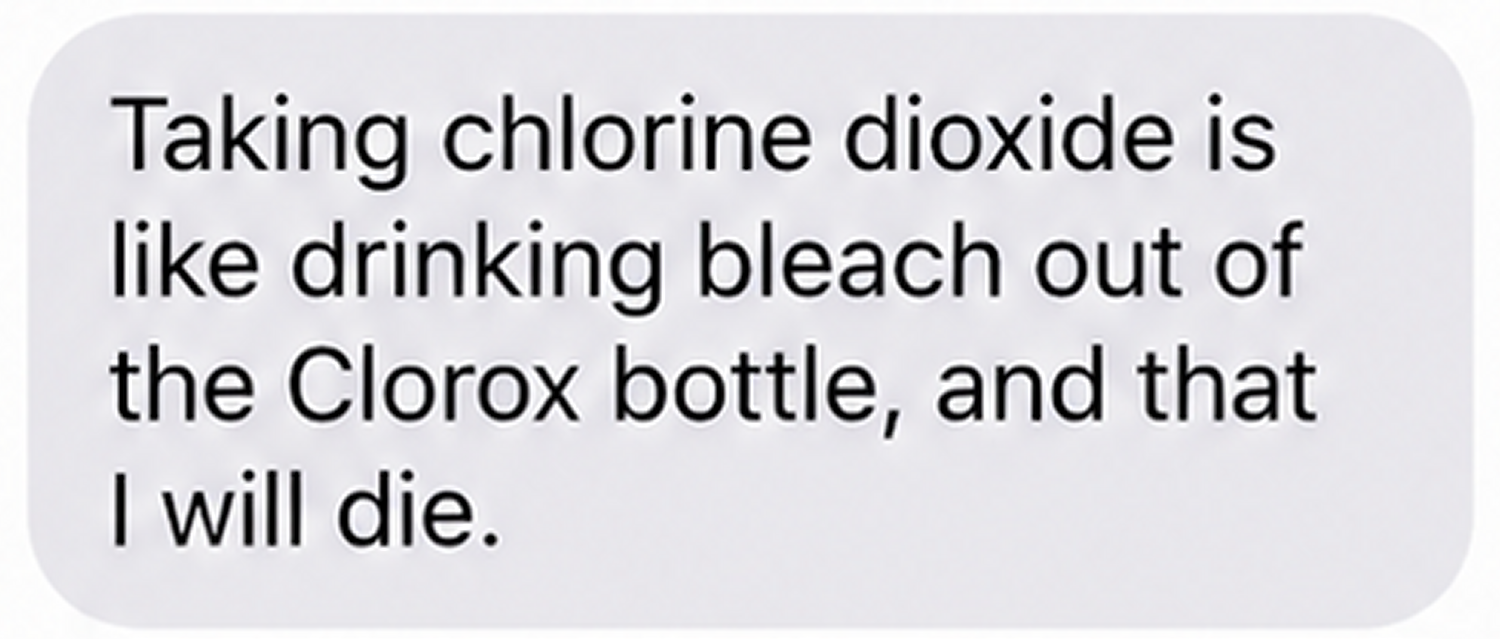
Perhaps no phrase appears more often in supporter circles than: “They say it’s bleach.”
Supporters frequently object to that comparison. Their argument is usually not: “Drink industrial chemicals.” Their argument is more philosophical.
They say: Different substances can sound chemically related while behaving differently in practice.
They point out that many compounds have legitimate industrial uses while also existing in controlled public applications. To them, reducing a complex discussion to a slogan feels incomplete.
Whether that argument is persuasive or not, supporters often feel the public conversation has become too simplified.
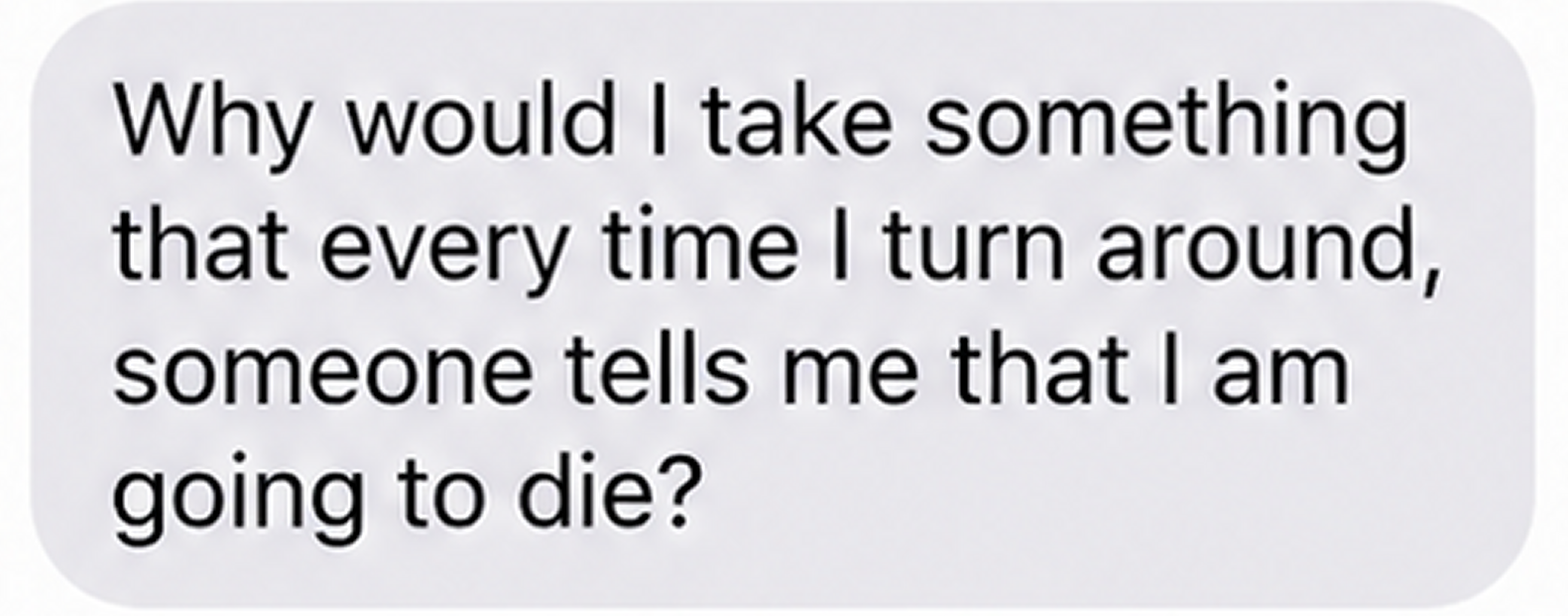
“Why Does Every Rule Sound Like a Death Warning?”
Another common frustration supporters describe is the internet effect.
One forum says:
- avoid this
- avoid that
- never combine this
- always wait
- never eat
- always do something else
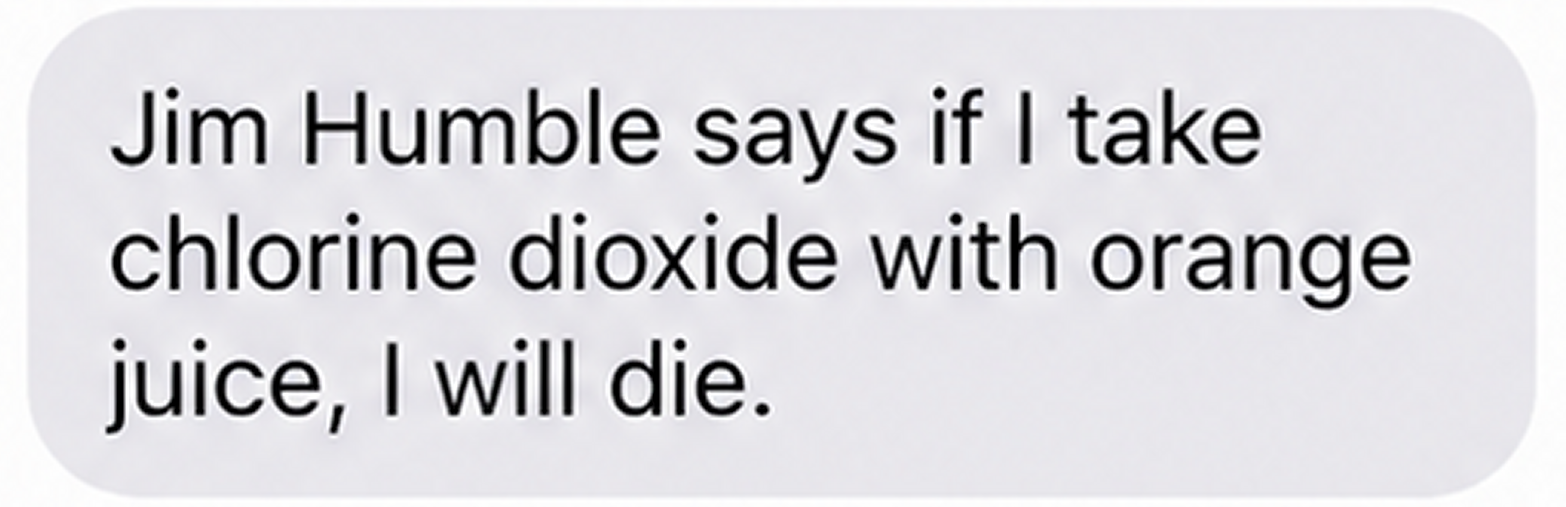
Eventually, the person stops hearing advice and starts hearing fear.
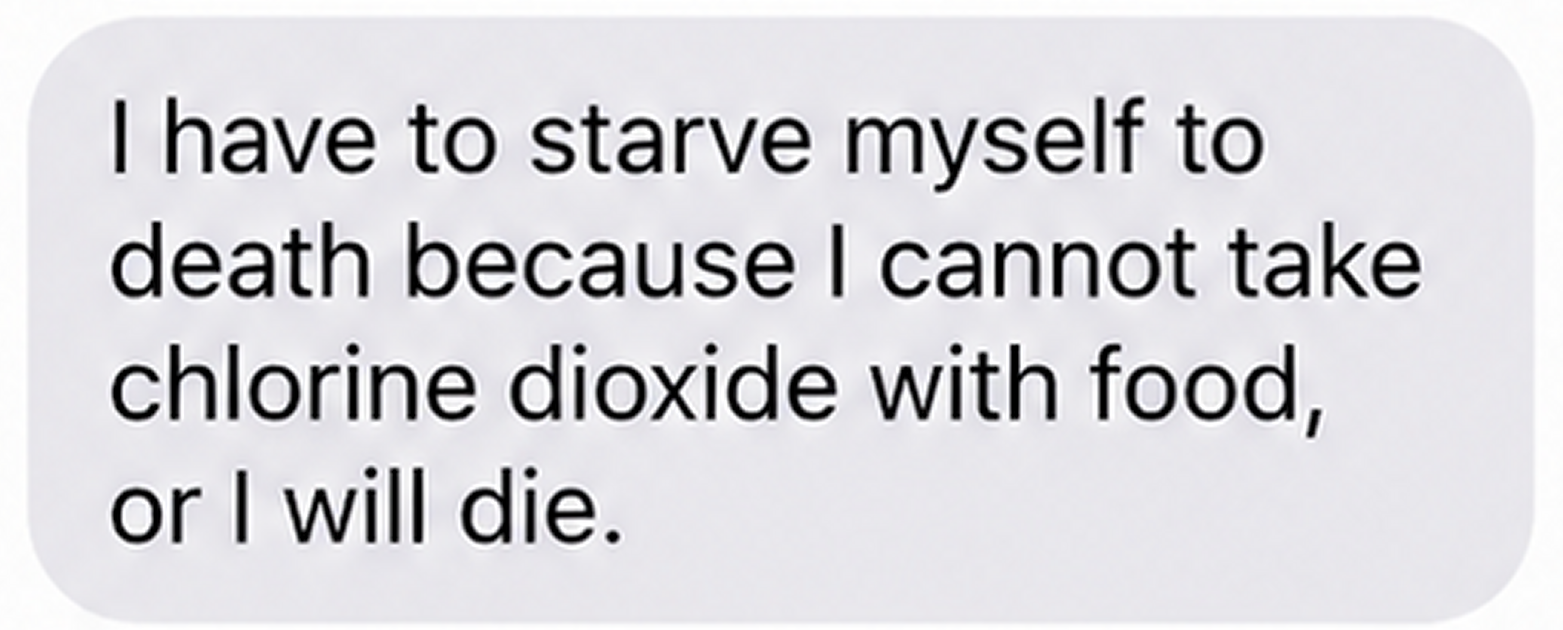
Supporters often respond: “If something is truly dangerous, explain why. Don’t turn every recommendation into catastrophe.” From their perspective, many discussions become exaggerated on both sides.
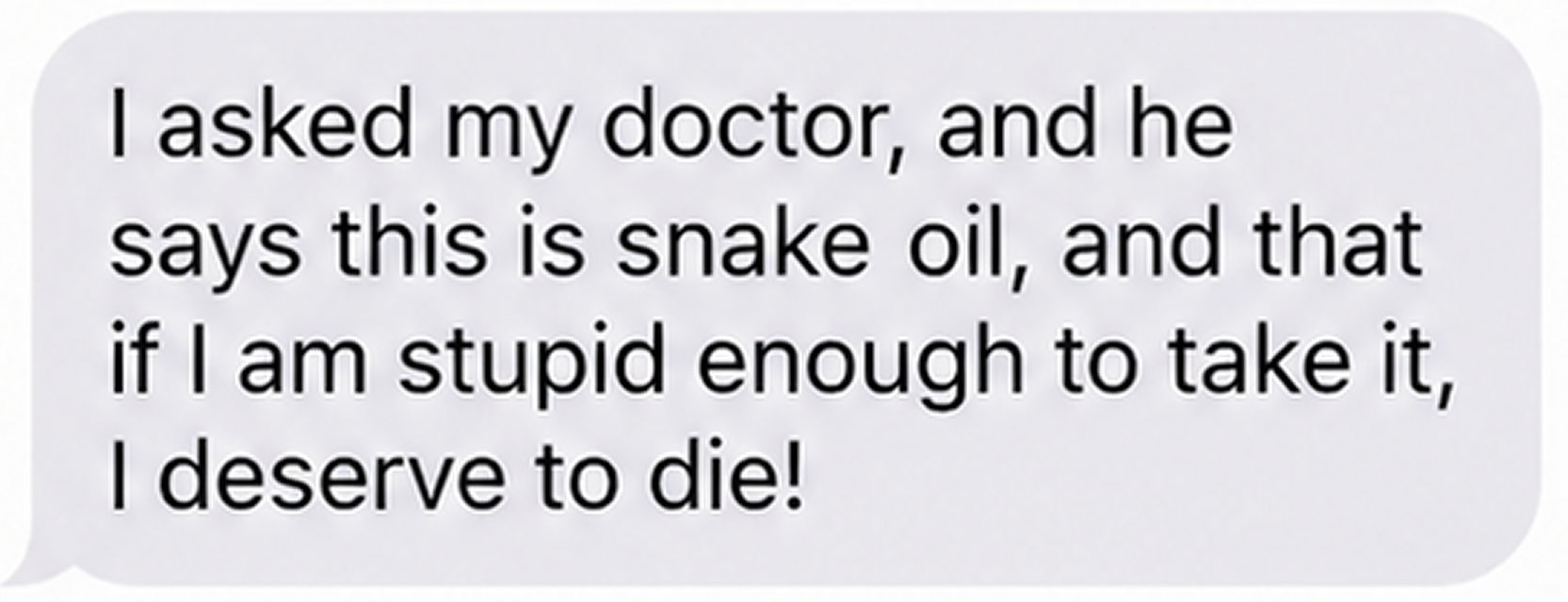
The Doctor Conversation
This may be the most emotional part. A supporter says: “I asked my doctor.” And the answer was dismissive.
Supporters often interpret this as: “Doctors don’t know anything outside conventional medicine.”
But if you talk to physicians, they often see the situation differently.
Their training emphasizes:
- established evidence
- reproducible outcomes
- known dosing
- safety data
Supporters sometimes acknowledge this. Many say: “I don’t think doctors are bad people. I think they work inside a system.”
Whether that is fair or unfair depends on who you ask.
The Appeal of Simple Things
Supporters often describe being drawn to chlorine dioxide for reasons that have nothing to do with rebellion.
They talk about liking ideas that are:
- inexpensive
- simple
- portable
- widely available
- difficult to commercialize into luxury products
For some, that simplicity becomes emotionally compelling. The logic becomes: “If something is ordinary and inexpensive, maybe people overlook it.”
Again, that feeling alone does not prove effectiveness. But it explains why the interest persists.
The Research Mindset
Among the more thoughtful supporters, one phrase appears repeatedly: “Do your own research.”
At its best, that means:
- read broadly
- compare sources
- separate evidence levels
- question assumptions
- avoid hero worship
At its worst, it can become: trusting only information that confirms prior beliefs.
Supporters themselves are not immune to that tension.
The Real Question Beneath the Question
If you listen carefully, the conversation is often not actually about chlorine dioxide.
It becomes a deeper question: Who gets to decide what people are allowed to explore?
That question touches:
- trust
- institutions
- personal agency
- curiosity
- uncertainty
And perhaps that explains why discussions become so emotional.
People are not only defending a product. They are defending a worldview.

Whether someone ultimately decides chlorine dioxide is worth further investigation or decides it is not for them at all, supporters would probably say this:
Do not believe something because people cheer. Do not reject something because people yell. Read. Ask. Compare. And remember that certainty—on either side—is often easier than curiosity.
See also: Point by Point Arguments
Note About This Article
This article is written to represent and explain a supporter perspective. It does not endorse chlorine dioxide for medical use, and it does not provide instructions for using it internally. Readers should distinguish between water purification uses, personal opinions, testimonials, and evidence-based medical recommendations.