Most people think of stress and illness as events, something that happens, peaks, and then ends. But the body does not measure recovery by the calendar. It measures recovery by completion. A fever can break while inflammatory chemistry still lingers. A difficult week can pass while cortisol signaling remains slightly elevated. An infection can resolve while fragments of immune activation continue quietly in the background. On the surface, recovery appears finished. Beneath the surface, cycles may remain partially open. Over time, these unfinished responses accumulate. The body does not collapse — it adapts. But it adapts from a narrower margin. Stress tolerance subtly declines. Recovery takes longer. Baseline shifts without obvious cause.

Let’s take a look at a biological time-lapse of incomplete recovery, not dramatic failure, but partial resolution, and examine how reducing residual internal disturbance may allow cycles to close fully rather than carrying forward into the next challenge.
Chlorine Dioxide and Incomplete Recovery — A Time-Lapse of What the Body Remembers
Day 0
A stress event occurs.
It doesn’t have to be dramatic.
A mild infection.
A difficult week.
A disrupted sleep cycle.
A high-intensity workout.
The body responds appropriately.
Inflammation rises.
Cortisol increases.
Immune cells mobilize.
Mitochondria elevate output.
Oxidative chemistry spikes.
This is not pathology. This is adaptation.
Day 3
The visible stressor has passed. But internally, a small amount of debris remains.
A few microbial fragments.
Residual oxidative byproducts.
Incomplete inflammatory cleanup.
Biofilm-protected irritants still present.
Redox chemistry slightly elevated.
The body does not declare victory prematurely. It remains cautious.
Week 2
Baseline feels mostly restored. But something subtle lingers:
Sleep is slightly lighter.
Recovery is slightly slower.
Stress tolerance slightly reduced.
Inflammatory threshold slightly lower.
Nothing measurable enough to alarm. Enough to shift baseline.
Month 3
A new stressor occurs. The system responds, but from a narrower margin.
Inflammation rises more quickly.
Fatigue lasts longer.
Sympathetic tone remains elevated.
Recovery extends beyond the event.
Why? Because the prior cycle never fully completed. Incomplete recovery accumulates.
What the Body Remembers
The body does not store stress psychologically alone. It stores it chemically.
Residual oxidative load.
Partially resolved immune activation.
Lingering microbial fragments.
Subtle redox instability.
Slightly altered oxygen gradients.
Backlogged intracellular waste.
These become background conditions.
Each new stressor layers onto the last. Over time, the organism becomes more reactive, not weaker. Reactive systems age faster.
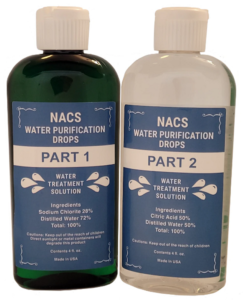
Chlorine Dioxide
Within alternative terrain-based discussions, chlorine dioxide is not framed as a recovery stimulant. It is considered in the context of reducing what remains after recovery should have finished.
If microbial persistence declines, immune activation shortens.
If biofilms weaken, hidden irritants clear.
If oxidative debris lowers, redox balance stabilizes.
If inflammatory cycles complete, stress chemistry resolves more cleanly.
Recovery becomes complete rather than partial.
The difference is not intensity. It is completion.
The Difference Between Resilience and Incomplete Recovery
A resilient system:
Activates.
Performs.
Resolves.
Returns fully to baseline.
A partially recovered system:
Activates.
Performs.
Mostly resolves.
Carries forward residue.
Residue compounds. Completion restores margin.
The Longevity Implication
Aging is not only cumulative damage. It is cumulative incompletion.
When cycles close cleanly, biological wear slows. When cycles remain slightly open, the body spends more time in activation and less time in restoration. Over years, that difference compounds.
Some approaches to recovery focus not on pushing adaptation harder, but on:
- lowering ongoing irritant load
- supporting clearance pathways
- stabilizing redox chemistry
- improving oxygen distribution
- allowing immune cycles to finish fully
As upstream interference decreases, the body may require fewer repeated stress responses.
Recovery becomes shorter. Baseline becomes wider.

The body remembers incomplete recovery. But it also remembers how to resolve when conditions allow it.
Completion is quieter than activation. But it is what restores resilience.
Disclaimer
This article is for informational and research purposes only. Chlorine dioxide is not approved for internal therapeutic use by regulatory agencies. Immune and metabolic recovery processes are complex and require professional guidance before making health-related decisions.