Septicemia, often referred to more broadly as sepsis, is not simply an infection. It is a condition in which the body’s response to a disturbance becomes widespread, amplified, and difficult to regulate.

What begins as a localized challenge can escalate into a system-wide reaction involving:
- immune signaling
- inflammatory chemistry
- vascular function
- oxygen delivery
- metabolic stability
In this state, the issue is not only what triggered the response. It is how the response spreads beyond its intended boundaries.
People who develop septic conditions may experience:
- fever or, in some cases, unusually low temperature
- rapid heart rate
- increased or labored breathing
- confusion or altered awareness
- extreme fatigue or weakness
- changes in blood pressure
- a general sense that the body is no longer regulating itself normally
These are not subtle signals. They reflect a system that is under significant strain and requires immediate attention.
From a systems perspective, sepsis represents a breakdown in controlled response.
Under normal conditions:
- the immune system identifies a disturbance
- signals increase
- the response is contained
- and then it resolves
In septic conditions, this sequence becomes dysregulated.
- inflammatory signals amplify beyond their original target
- vascular permeability increases
- circulation becomes less efficient
- oxygen delivery to tissues can be compromised
- metabolic demand rises sharply
Instead of a contained response, the body enters a state of distributed activation.
At this level of stress, redox balance becomes unstable. Oxidative chemistry increases rapidly as part of the immune response. When controlled, this can be useful. When widespread, it contributes to tissue strain and signaling disruption. At the same time, oxygen delivery and utilization may become less efficient. Tissues require more support, while the system is less able to provide it smoothly. This mismatch is one of the reasons sepsis can escalate quickly.
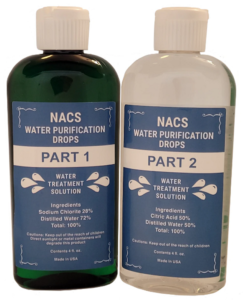
In alternative discussions, chlorine dioxide is sometimes mentioned in the context of microbial environments and oxidative interactions.
However, in situations like septicemia, careful observers tend to step back rather than lean in with experimentation. Some individuals speak about chlorine dioxide in broader terms, i.e., how it is thought to interact with biological burden or environmental load within the body. But in acute, high-risk conditions, the consistent theme among experienced voices is caution.
The body is already in a state of amplification. Introducing additional variables without a clear understanding can add unpredictability.
For that reason, even among those who explore chlorine dioxide in other contexts, septic conditions are often viewed as a point where immediate medical care takes priority.
Septicemia is not a condition that allows for prolonged observation or gradual adjustment.
It requires:
- rapid assessment
- professional intervention
- close monitoring
Delays can significantly change outcomes.
Whatever perspectives someone holds about broader health approaches, this is a situation where time matters.
In recovery phases, after stabilization, people often return to foundational supports:
- maintaining hydration
- restoring metabolic balance
- allowing sufficient rest
- supporting the gradual return of energy
At that stage, conversations about broader system support may re-emerge. But the acute phase remains distinct.

Septicemia highlights something important about the body: It is not only vulnerable to external challenges. It is vulnerable to its own responses when they exceed control. Understanding this distinction helps clarify why some conditions require immediate, direct care, while others allow for slower, more observational approaches.
There is a time for exploration. And there is a time for action. Recognizing the difference is part of working responsibly with the body.
Important Note
Septicemia (sepsis) is a medical emergency. If suspected, seek immediate professional medical care. This material is for informational purposes only. Chlorine dioxide is not approved for internal therapeutic use by regulatory agencies. Health decisions should be made in consultation with qualified professionals.